Hawaiʻi is facing a critical window of opportunity to tackle our housing crisis, and we cannot afford to let it close. The federal government has fundamentally shifted how it distributes housing funding. If our state government doesn’t act proactively right now, we will leave billions of federal dollars—and a chance to fix our housing shortage—on the table.
The catalyst is the 21st Century ROAD to Housing Act, signed into law in July 2026. Unlike traditional grant programs, ROAD is retrospective. The Department of Housing and Urban Development (HUD) is currently crafting the scoring sheets to determine which states get funding, and we need to implement reforms now to be competitive.
The most immediate action the Legislature must take is a hard deadline written directly into the law: by July 11, 2027, Hawaiʻi must certify to HUD that our state rules treat manufactured homes with and without a permanent steel chassis equally.
Because our Legislature only meets annually, the 2027 session is our only chance to pass this change before the deadline. If we miss it, we risk losing eligibility for crucial funding.
The Stakes: Federal Dollars and Penalties
Why does this matter? Because Hawaiʻi relies heavily on federal funding. In the current budget, federal funds make up roughly 18 percent of the state’s $19.9 billion operating budget—nearly $3.6 billion that supports essential services like education and healthcare. Federal funds also cover about 20 percent of our capital improvement budget, much of which goes to transportation infrastructure.
Federal housing dollars are not something we can afford to lose, especially as we recover from recent climate disasters like the March 2026 Kona Low storms.
While HUD hasn’t published final scoring criteria yet, the ROAD to Housing Act outlines specific rewards for proactive states:
The Innovation Fund: $200 million a year is authorized for FY2027–FY2031. Grants of $250,000 to $10 million will go to jurisdictions that show “objective improvement” in housing supply growth.
Planning and Pattern-Book Grants: These reward jurisdictions that update zoning codes, streamline approvals, and adopt preapproved building plans.
CDBG Bonuses and Penalties: Starting in FY2029, communities like Honolulu whose housing growth falls below the median will lose 10 percent of their Community Development Block Grant allocation, while faster-growing places receive a bonus.
Manufactured Housing Parity: By July 11, 2027, Hawaiʻi must certify that state rules treat manufactured homes with and without a permanent steel chassis equally.
HUD Zoning Best Practices: By July 2029, HUD will publish voluntary guidelines on 18 land-use topics—such as reducing parking minimums, legalizing ADUs and fourplexes, and streamlining environmental reviews—signaling exactly what future federal programs will reward.
Figure 1. Hawaiʻi Budget Means of Finance, FY2027 ($Billions)
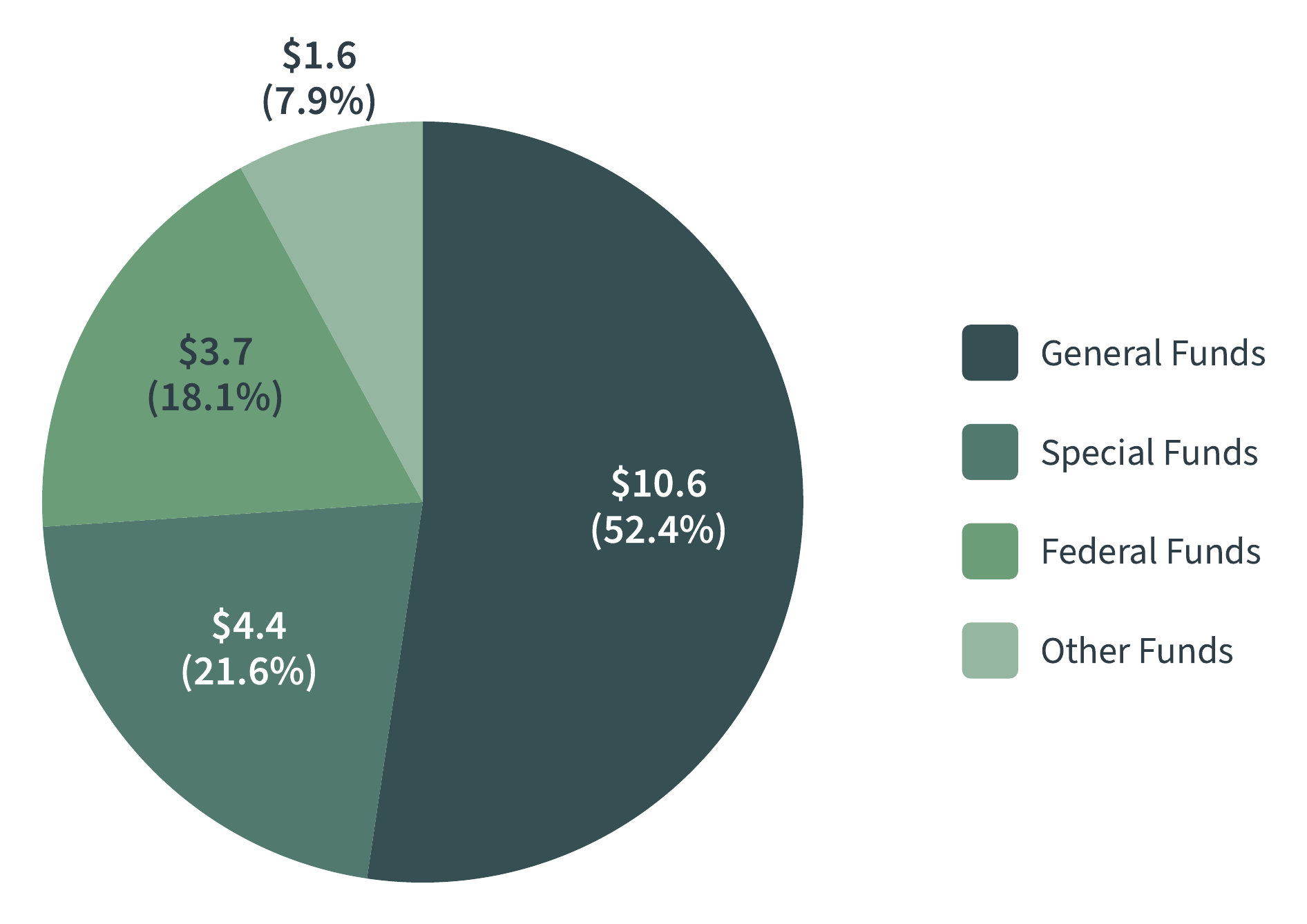
Figure 2. Distribution of Hawaiʻi Capital Improvement Project Funding, FY2027 ($Millions)
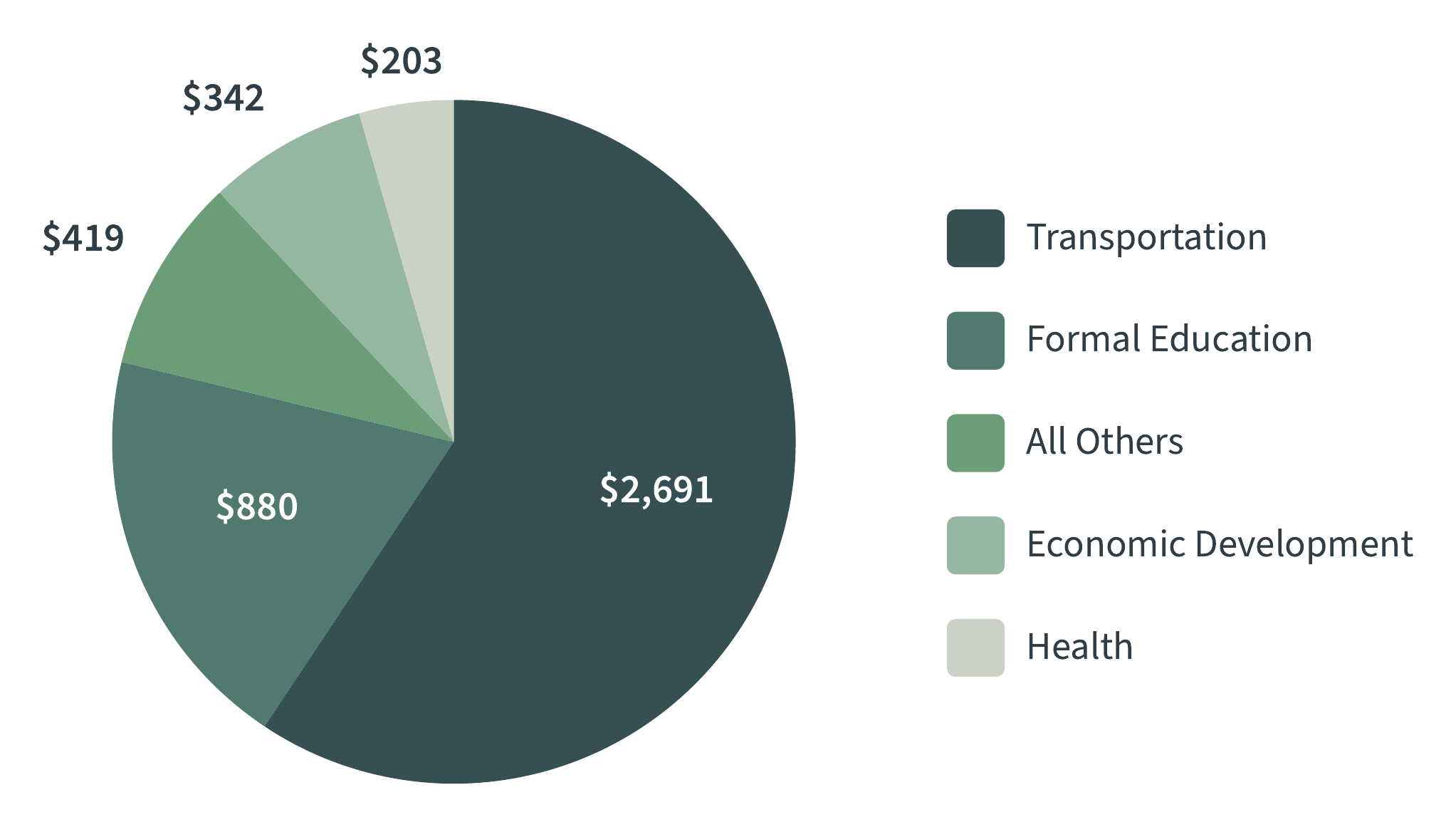
Source for Figures 1 and 2: Hawaiʻi Budget Primer FY2026–27
To score high and secure funding, Hawaiʻi must be proactive in the 2027 session by implementing reforms that align with HUD’s goals. We can start by:
Meeting the housing parity deadline: Amend the State’s definition of manufactured homes before July 11, 2027, so that homes without a permanent steel chassis are not barred from sale and installation in Hawaiʻi.
Allowing more homes on existing land: Legalize duplexes, triplexes, and fourplexes by right, allow smaller lots, and reduce parking requirements, especially near transit.
Speeding up approvals: Establish clear deadlines for permit decisions, expand by-right ministerial review, and reform protest petition statutes.
Putting public land to work: Publish inventories of public land suitable for housing and make it easier to convert vacant commercial buildings into homes.
Lowering the cost of building: Standardize impact fees and legalize single-stair apartment buildings up to six stories statewide, as Honolulu did through Ordinance 25-11.
Protect residents: Pair new housing with strong tenant protections and anti-displacement measures.
Coordinate: Name a lead state agency to carry out ROAD and urge our congressional delegation to fund the programs in the FY2027 Transportation, Housing and Urban Development (THUD) bill.
Hawaiʻi has already proven we can do this. In June 2024, the state was awarded $6.6 million in HUD’s PRO Housing grant program—the second-largest award in the nation. PRO Housing, created by Hawaiʻi’s U.S. Senator Brian Schatz, rewarded jurisdictions for removing barriers to housing production by increasing density, streamlining permitting, and allowing ADUs.
Our Office of Planning and Sustainable Development is using those funds to create a State Infrastructure Bank and fund transit-oriented development and affordable projects like Kahekili Terrace and Kamakana Villages. PRO Housing was essentially a preview of what ROAD now demands of every state.
The rules are being written right now. The 2027 legislative session will decide whether Hawaiʻi cashes in on this historic federal opportunity or watches it slip away. We cannot wait for HUD’s final scoring sheet to act. By proactively reforming our zoning, permitting, and building codes, our state government can position itself to take full advantage of these federal dollars. That’s critical to addressing Hawaiʻi’s housing crisis and building a more resilient future for local families.